
Putting a name on a product: What brands and talent both need to know
By Elliot Rozenberg
A creator or a brand agrees to put their name on a product. Everyone shakes hands, the deal feels exciting, and eighteen months later, that name is on packaging that wasn’t approved, sold through stores that were not discussed, and attached to a product that isn’t really what was promised.
Product licensing is one of the most exciting tools in the creator and brand economy, and one of the most misunderstood. What is written into the contract can oftentimes have a giant impact on everything from the process to the profit.
Licensor, Licensee, and What Product Licensing Really Means
Every licensing deal has two sides: the licensor, who owns the intellectual property and is giving permission for it to be used, and the licensee, who is putting that name, face, or brand on their product. Product licensing specifically means using someone's intellectual property to sell a physical product or service, not just their face in an ad campaign like in a general brand deal or a product endorsement.
This can take several different forms. Sometimes, two brands collaborate directly, the way Adidas and Balenciaga have on co-branded apparel.

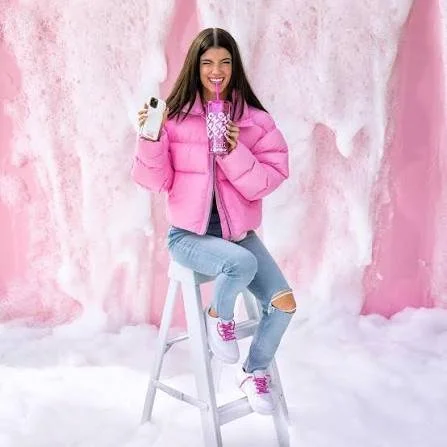
Sometimes, one company gets exclusive rights to manufacture an entire category of goods under someone else's name. For example, Luxottica manufactures, sells, and distributes the eyewear sold under Chanel, Prada, and Ray-Ban, even though none of those fashion houses touch the manufacturing or distribution themselves. And sometimes it's a single product tied to one person, the way Charli D'Amelio's name and image were attached to "The Charli", an iced coffee Dunkin' Donuts sold nationwide. Today, you can still buy that same drink, it's just not called the Charli anymore, which says a lot about what might have been in the contract Charli had with Dunkin’.
What Licensors Should Look Out For
For the person or brand lending their name, a main priority is control. Approval rights matter at every stage: over the product itself, the packaging, the labeling, and both the prototype and the final manufactured version, not just the marketing materials built around it. Sales channels matter just as much. A brand built on a premium image can be damaged if the product ends up discounted on a shelf it was never meant to reach.
Termination rights also need to be spelled out clearly, so there's a way out if the relationship sours. Exclusivity clauses should be looked at closely, since a licensing term of two or three years can block other, more lucrative partnerships for that entire period. And sell-off periods, typically three to six months but sometimes longer, determine how long a licensee can keep selling existing inventory after the deal ends, which can extend those exclusivity headaches well past the contract's official finish line.
In product licensing deals, Compensation is rarely a flat number. Royalties tied to units sold or manufactured are common, and licensors should also negotiate what happens to their payment during that sell-off window, along with what rights, if any, they retain over the product once the deal is over.
What Licensees should look out for
The brand or company doing the manufacturing is usually optimizing for one thing: the ability to sell as much as possible, for as long as possible. That means pushing for broad usage rights across advertising and packaging, flexibility on how many products can be made, and access to as many sales channels as the market allows.
Control over timelines matters enormously here too. Every additional approval step from the licensor's side adds time and cost, and a licensee wants to avoid getting stuck mid-process with a product that can't reach shelves. Royalty structures deserve equal attention from this side of the table, since what counts as "revenue" for royalty purposes often excludes manufacturing costs, marketing spend, platform fees, and more, sometimes reducing the payable amount by 30 to 50 percent. Finally, licensees generally want to keep the rights to continue selling a product after the agreement ends, even once the licensor's name comes off it.
Where Deals Usually Get Difficult
The clauses that cause the most friction tend to repeat across almost every product licensing negotiation: how approvals work and what happens when something isn't approved, how royalties are calculated, who can terminate and under what circumstances, what happens to unsold and previously sold product after the deal ends, who owns the underlying rights once it's over, what marketing freedom the licensee actually has, and where the product can be sold.
In Short…
None of these questions have a universal right answer. They depend on what each side is trying to build, and they only get resolved well when both parties negotiate them upfront. Done properly, product licensing can be one of the most rewarding structures available to both a brand and the person or brand whose name is on the box. Done carelessly, can however result in unnecessary complications further down the line.
Whether you're lending your name or licensing someone else's, Elliot can help you get the contract right.
