
Client spotlight | Parker Talent Management
Meet the people building businesses with Lawyerly: their industries, their decisions, their successes and the valuable insights they’ve gained along the way.
Lindsay Nead, Founder + CEO | Parker Talent Management
First up is Lindsay Nead, who built Parker Talent Management before the term “creator economy” even existed. Today, Parker is a female-led, creator-first talent agency helping digital creators build sustainable businesses through strategic guidance, aligned partnerships and a clear-eyed approach to the agreements that underpin all of it.
In this conversation, Lindsay talks about building in a space with no established rules, what creators consistently miss in the contracts they sign, how being based in Oregon shaped the way Parker operates, and what she sees coming as the creator economy matures.
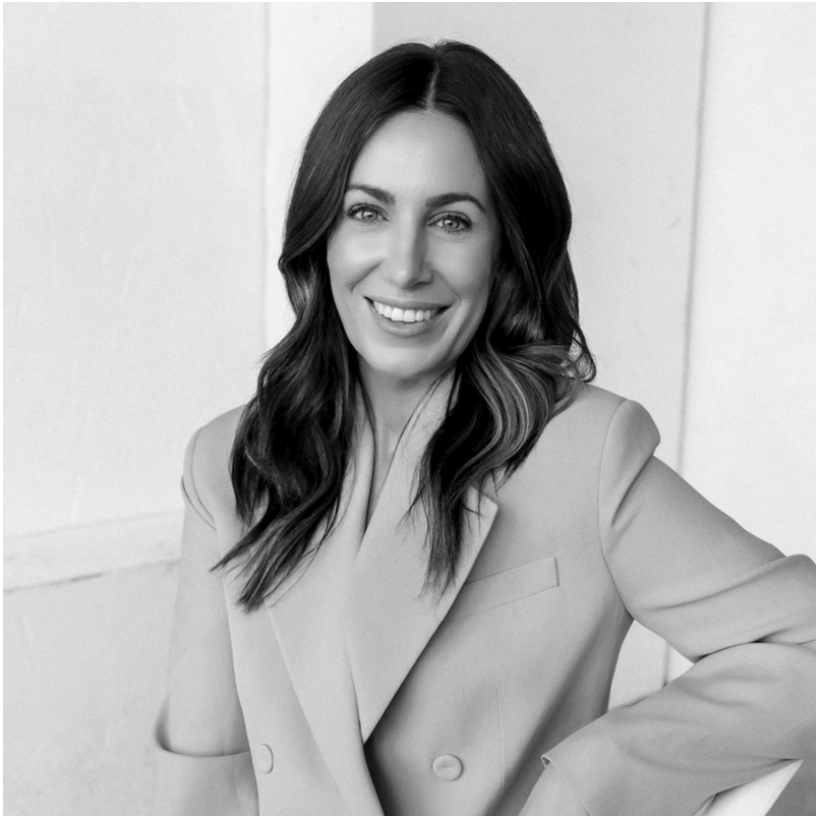
Lindsay Nead, Founder + CEO | Parker Talent Management
The influencer management industry barely existed when you started. How do you build a business in a space where there are no established rules, contractually, commercially, or otherwise?
Lindsay: Honestly, you find your lane and you go deep on it. When we started, we made a bet on wellness creators before that was even a recognized category. Nobody was fighting us for that space, which meant we got to figure out how to serve those clients really well before the rest of the industry caught up. I think that's the answer in a lot of ways. Find a place where you can genuinely go above and beyond, and just start.
What do creators get wrong about the agreements they're signing?
Lindsay: So much gets skipped over, and it still surprises me. Creators will negotiate their rate for the main deliverable and feel good about it, but then there's usage and exclusivity buried in the contract that they didn't account for at all. A brand can walk away with the right to run your content in paid ads for a year, or lock you out of working with competitors, and that should cost them a lot more than they paid. We see it constantly. Part of what we do is make sure our clients understand what they're actually agreeing to and that the compensation reflects the full scope, not just the post.
You spotted the shift from model to model-with-a-following before most people saw it coming. What's the next shift you're watching?
Lindsay: Creator celebrities building real businesses. Not just merch drops or one-off collabs, but actual companies, shows, empires. The creators who are going to win long-term aren't just thinking about their next brand deal, they're thinking about what they're building. That shift is already happening, and I think it's going to accelerate fast.
“Find a place where you can genuinely go above and beyond, and just start. ”
Parker is based in Oregon, not LA or New York. What changed in how you think about that?
Lindsay: We just never got caught up in the who's who of it all. We stayed in our lane, we focused on our clients, and honestly, it always felt like that insulated us a little. When you're not in the room where everyone is competing for the same table, you operate differently. You're not distracted by it. I think that's always been part of how Parker runs, and over time I stopped seeing it as a gap and started seeing it as part of why we work.
Where is the creator economy heading, and what does Parker look like in five years?
Lindsay: The creator economy is maturing, and I think the smartest creators are the ones who understand they're not just content makers, they're business owners. The ones building something beyond the feed are going to have staying power in a way that wasn't possible even five years ago. For Parker, we're going to keep growing while staying true to what we do best. We're selective for a reason, and that's not changing. What I'm really excited about is some of the creator-led businesses we're building alongside our clients right now. That's the next chapter for us, and it feels like exactly where the industry is heading too.
